
A Shorebird Guide for the Colombian Pacific: Bridging Communities, Conservation, and Field Knowledge
By: Jorge Enrique Parra (CSF 2022)
The Colombian Pacific coast is recognized for its biodiversity, serving as essential habitat for migratory and resident shorebirds. To foster awareness and participation in conservation and promote the sustainable management of these ecosystems, we developed the first “Guide to Shorebirds of the Colombian Pacific”. Thanks to a collaboration between the Wildlife Conservation Society (WCS-Colombia), the U.S. Fish and Wildlife Service, the Cornell Lab of Ornithology through the Coastal Solutions Program, and the Bezos Earth Fund, this illustrated guide, designed as an easily accessible, foldable field pamphlet, was produced to help local communities and visitors identify shorebird species, while also serving as a fundamental resource in educational workshops focused on the protection of coastal environments.
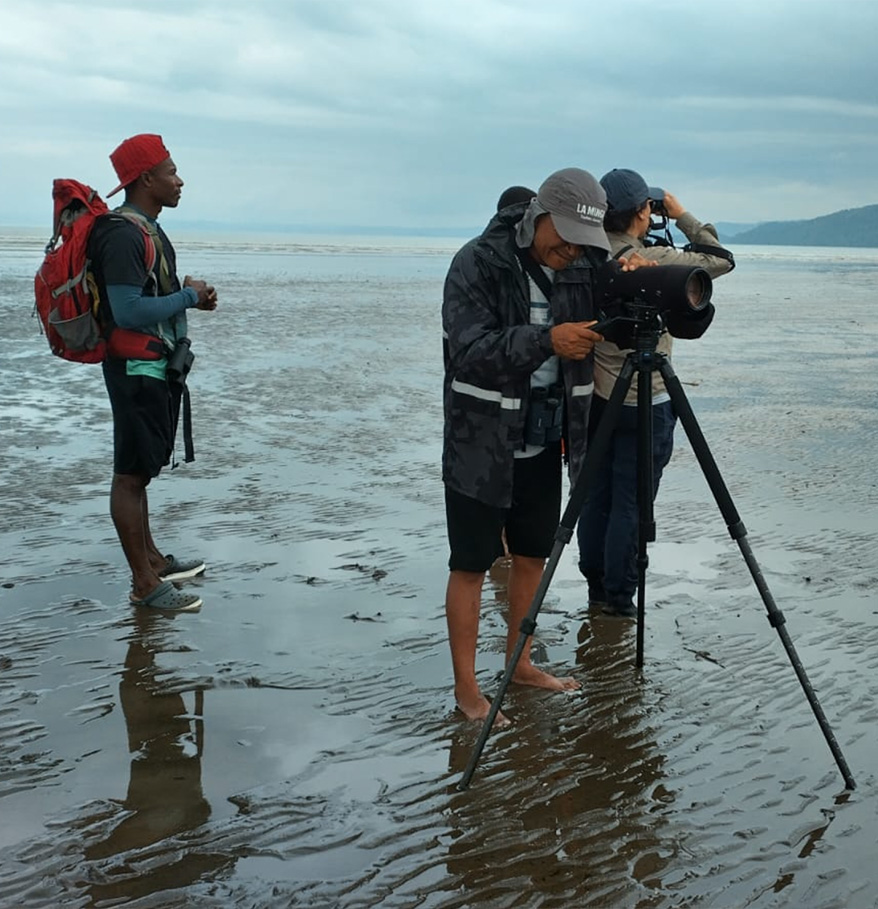
Photo: Jorge Parra
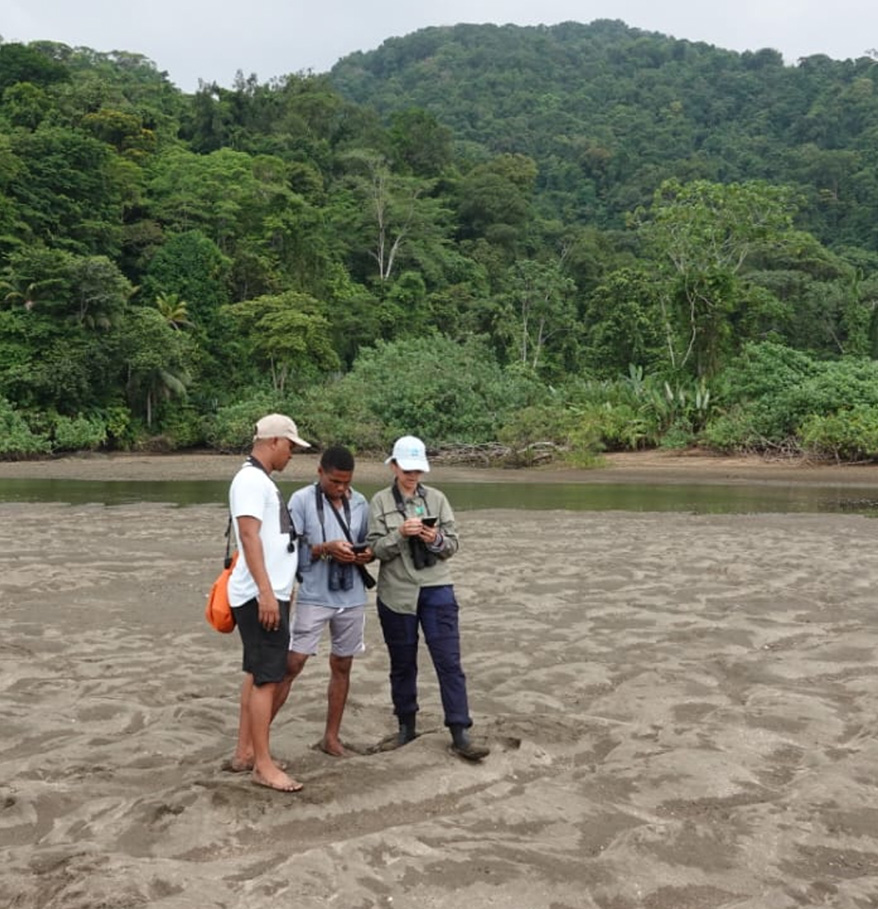

The main objective of the guide is to help users recognize habitats and identify migratory and resident shorebird species that inhabit the Colombian Pacific. Designed for both experienced birders and beginners, it offers vivid depictions of typical Pacific landscapes, detailing the diverse habitats occupied by shorebirds.
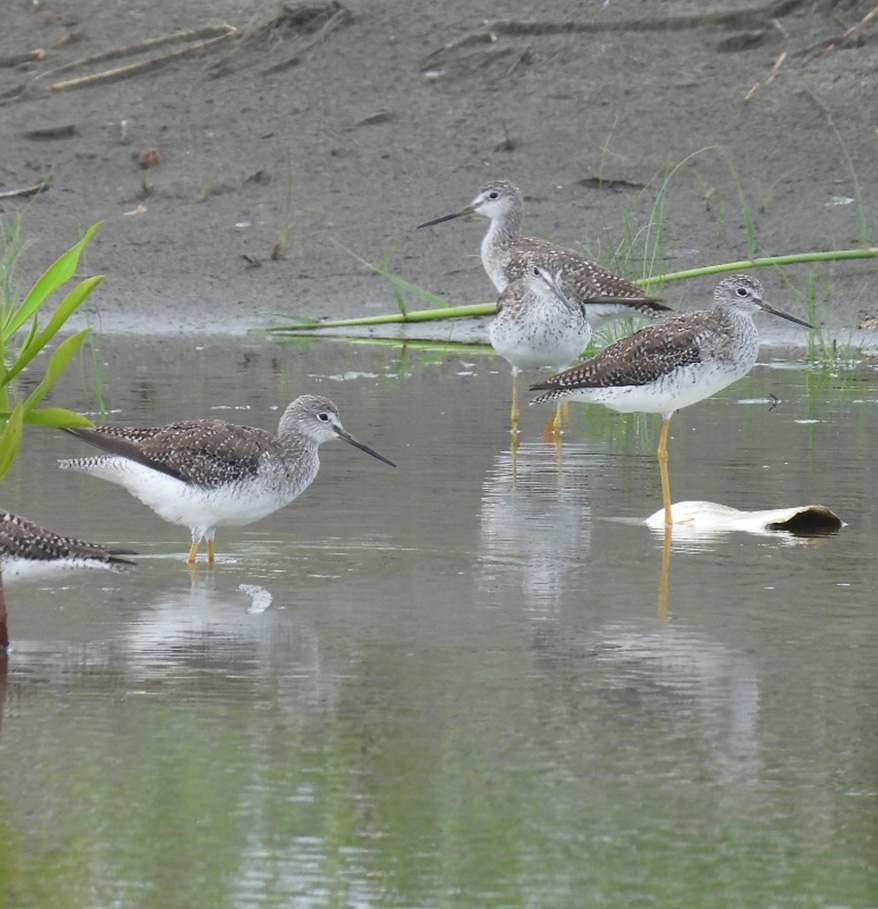
The guide includes detailed information for 25 species of shorebirds, each accompanied by high quality illustrations that facilitate identification in the field, even for non-experts. The design is inspired by local artistic representations of the emblematic landscapes of the Colombian Pacific coast region, reinforcing the connection between the content of the guide and the natural and cultural environment.
The visual layout reflects the diversity of coastal environments, from mudflats and estuaries, to mangroves and sandy beaches. By graphically depicting these habitats, the guide allows users to quickly associate each bird species with its natural environment, enhancing the observation experience and the quality of environmental data collected during field observations.

Beyond its function as an identification tool, the guide has become a valuable resource for environmental education and community participation. To date, we have distributed around 250 guides to local monitors, school children, members of the environmental authority and NGOs. Workshops have been conducted using the guide as core material in coastal regions of Colombia, addressing topics such as reducing disturbances caused by pets, managing vehicular traffic on beaches, and mitigating the impacts of recreational activities. These workshops also focus on practical measures to keep coastal habitats clean and actively promote non-hunting of birds.

This proactive approach to conservation education is especially important in areas where local livelihoods and natural ecosystems are intertwined. By providing residents with the knowledge and tools necessary to interact sustainably with their environment, the guide helps build a community of informed citizens capable of generating and implementing local conservation actions. Thus, it functions not only as a scientific document, but also as a catalyst for sustainable community development.
The creation of the guide is part of the conservation project “Protection of Shorebird Habitats on the Central Pacific Coast of Colombia”. This initiative focuses on key areas such as the San Juan River Delta and Ají Island in the Naya River Delta, both critical for the survival of migratory shorebirds. The project is supported by a diverse coalition of partners, including WCS-Colombia, the Afro-Colombian community councils of the Naya and San Juan River regions, and the regional environmental authorities of the departments of Valle del Cauca (CVC) and Chocó (CODECHOCO). We are also grateful for the collaboration of the 2019 Coastal Solutions Fellow Richard Johnston in the creation of this guide. As a shorebird expert, Richard contributed his extensive knowledge of shorebirds so that the illustrations are true to the species, their characteristics, and habitats.
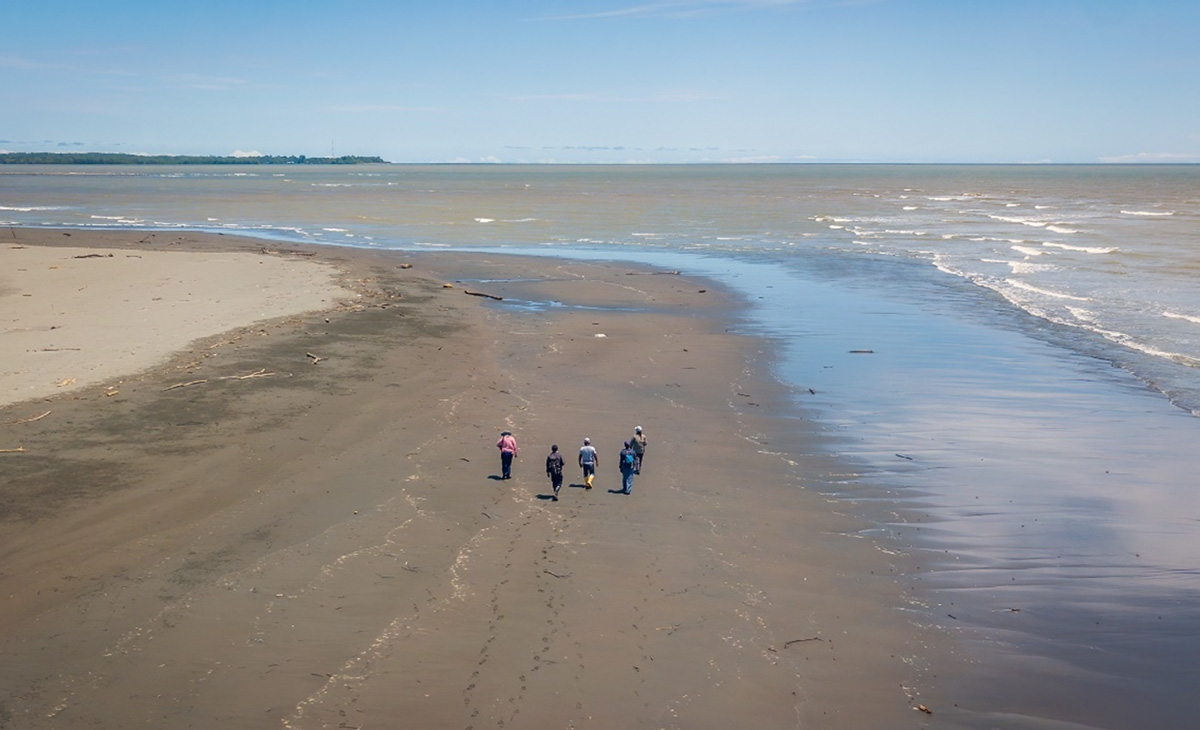
Photo: Jhonatan Vanegas
By integrating scientific research with traditional knowledge, the project seeks to improve the protection and management of these vital habitats. The guide exemplifies this collaborative approach, serving as a tangible result of combined efforts to promote the conservation and sustainable use of coastal resources.
The “Guide to Shorebirds of the Colombian Pacific” represents a significant contribution to the conservation of shorebird species and their habitats along the Colombian Pacific coast. By providing a practical tool for identification and education, it empowers both communities and visitors to actively participate in conservation efforts. Through continued collaboration and engagement, initiatives like this pave the way towards a more sustainable and harmonious relationship between humans and the natural world.

Photo: Jhonatan Vanegas
The Coastal Solutions Fellows Program builds and supports an international community to design and implement solutions that address coastal challenges across the Pacific Americas Flyway. Our main goal is to conserve coastal habitats and shorebird populations by building the knowledge, resources, and skills of Latin American professionals, and by fostering collaborations among multiple disciplines and sectors.