
Wetlands and Traditional Knowledge: Celebrating Cultural Heritage in La Segua, Ecuador
By MSc. Juan Carlos Cevallos Mendoza, National Tourism Guide and Representative of the La Segua Wetland Tourism Services Association
World Wetlands Day is celebrated every year on February 2, a date to reflect on the importance of these vital ecosystems for our planet, which are fundamental for biodiversity, climate change mitigation, and water security. La Segua Wetland, located in the Chone Canton of the province of Manabí, Ecuador, in addition to being protected locally, is also recognized as a Ramsar Site (a wetland of international importance) and a Key Biodiversity Area (KBA) due to the large number of bird, plant, and fish species it shelters.
The province of Manabí is located on the central coast of Ecuador, sitting along the equatorial line where ocean currents converge and enrich both marine and terrestrial ecosystems. Here the sun rests at the midpoint of the horizon, and the dry forest meets the Pacific Ocean along extensive coastlines. This region is famous not only for the natural beauty of its beaches, rivers, waterfalls, forests, and wetlands, but also for the deep cultural roots of its people, reflected in their natural and ancestral history and in fine handicrafts such as toquilla straw hats and sculptures made from wood, clay, and biodegradable materials. In addition, its authentic gastronomy has been recognized as international intangible heritage, distinguished by the fusion of flavors from both sea and land.
La Segua, with an approximate area of 1,850 hectares, hosts a great diversity of flora and fauna and provides refuge for both resident and migratory bird species, including Comb Duck (Sarkidiornis sylvicola), Large-billed Tern (Phaetusa simplex), Semipalmated Plover (Charadrius semipalmatus), Wilson’s Phalarope (Phalaropus tricolor), Wood Stork (Mycteria americana), Rufescent Tiger-Heron (Tigrisoma lineatum), and Pinnated Bittern (Botaurus pinnatus).
This site is also important for shrimp production, which has become a valuable resource for the local community. Shrimp producers and shorebirds benefit from a mutually supportive relationship focused primarily on protecting this wetland. The La Segua Wetland Tourism Services Association, together with other local organizations, and with the support of the Coastal Solutions Program, has been carrying out several actions to support this ecosystem, promoting its conservation due to its regional importance and its tourism potential.
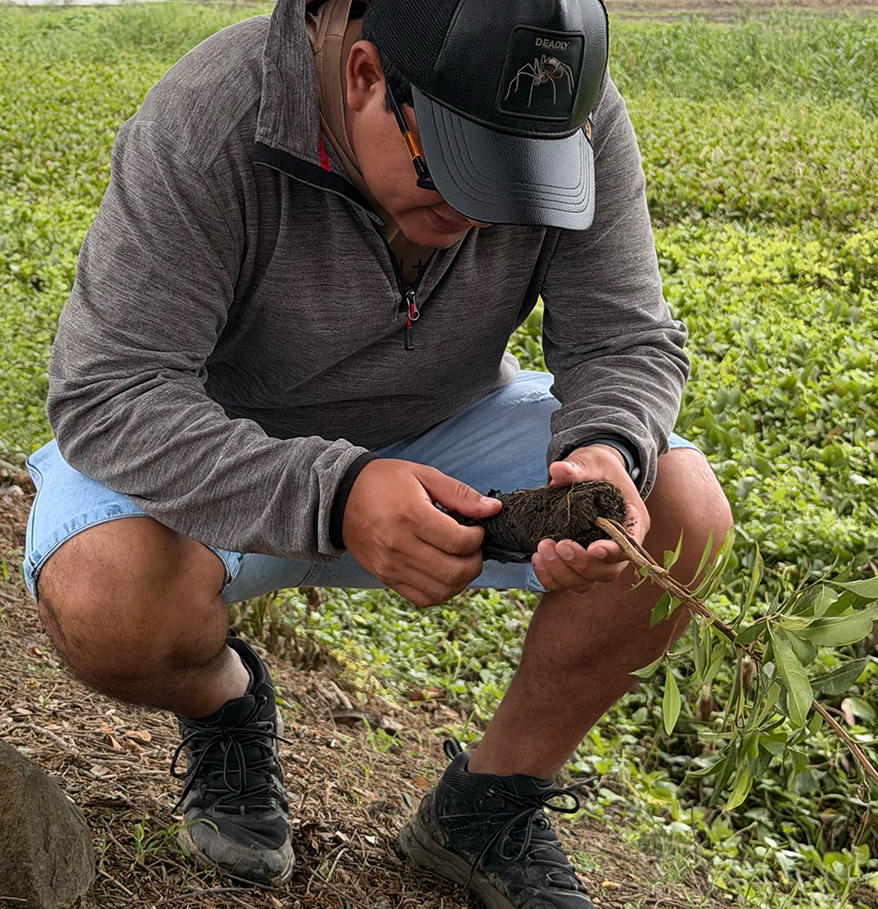
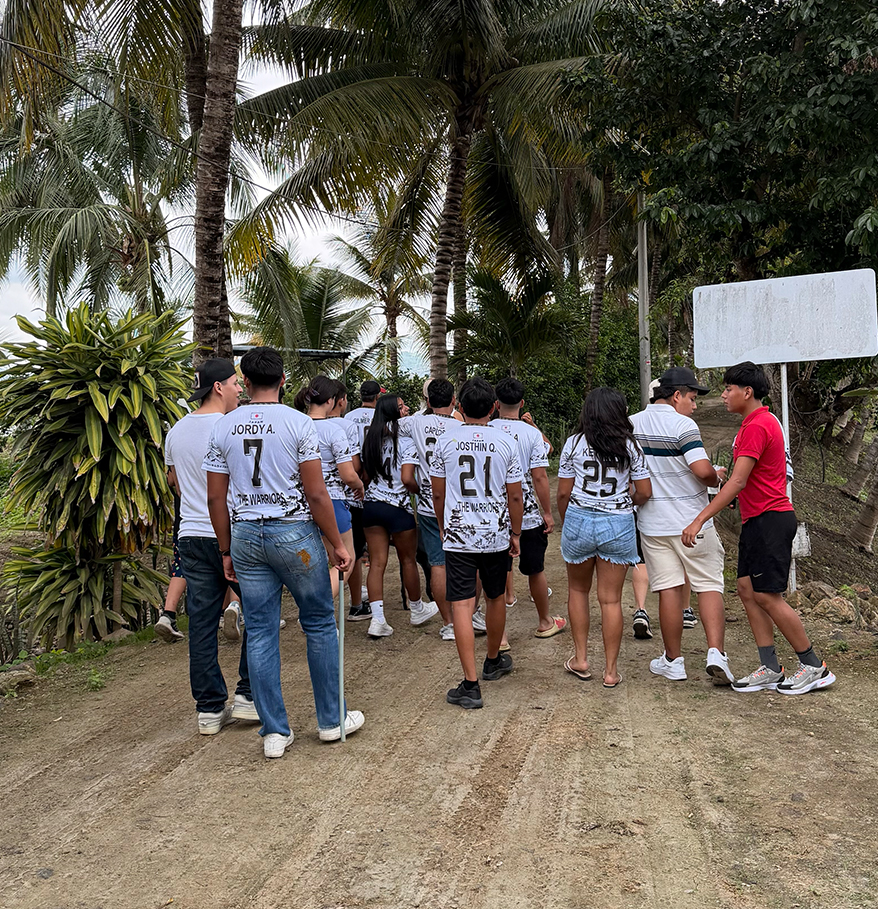
During this fourth gathering to celebrate World Wetlands Day, various activities were planned over three days, focusing on involving different groups in safeguarding and caring for this wetland under the theme “Wetlands and Traditional Knowledge: Celebrating Cultural Heritage.” Beginning on January 31, we carried out reforestation activities and community clean-ups around the wetland with community volunteers and students from local schools. On February 1, we covered the designated navigation routes across the wetland to conduct bird counts, continuing the bird monitoring activities. Finally, on February 2, we celebrated World Wetlands Day by offering workshops and painting contests that helped raise awareness among local communities about the contribution of wetlands to food security and sustainable agriculture. Lunches were prepared using shrimp resources provided by the wetland itself, and we celebrated the contributions and dedication of all participants. Each year, these gatherings bring together around 200 people, including students, tourists, and community members of different ages and social backgrounds, helping connect citizens with the direct users of the wetland.
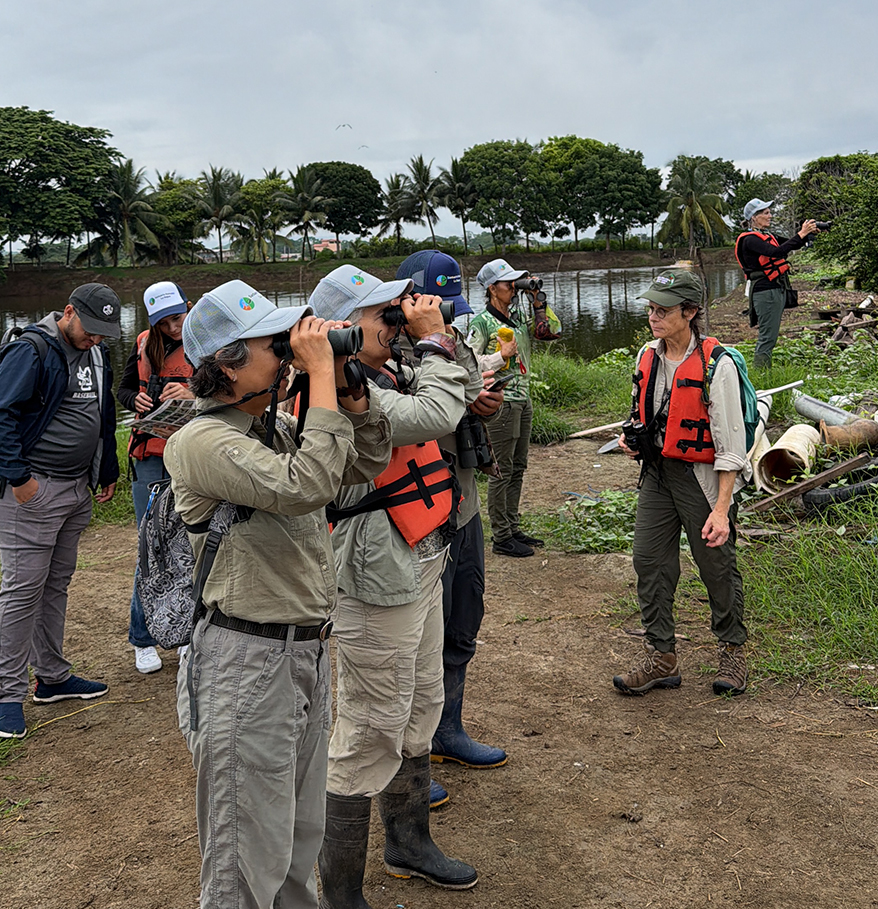
Over the years we have dedicated significant efforts to enabling the La Segua Wetland to welcome tourists and visitors interested in observing and learning more about the site’s biodiversity. This has included the installation of an observation tower overlooking the lake, the development of hiking and navigation routes accompanied by guides for interpretive tourism, meals featuring typical dishes of Manabí’s local cuisine, camping spaces, and a few rooms to host small groups of visitors.
These projects have been established since 2021 thanks to the support of the Coastal Solutions Program at the Cornell Lab of Ornithology. Through the fellows Enrique Fornasini and Eliana Montenegro, the program has significantly promoted in-situ research, allowing the collection of data on birds and their migratory routes to be used for ecosystem protection and to inform decision-making. The program has also supported the establishment of organized local and community governance and strengthened technical capacities for producers and local guides, enabling the shrimp production sector to participate in conservation activities. This has enhanced sustainable tourism activities so that La Segua Wetland can generate alternative income linked to conservation.
We can all support the conservation of wetlands around the world. What can you do?
- Avoid throwing solid waste (trash) into canals, lagoons, and riverbanks.
- Participate in birdwatching and environmental education activities.
- Record your sightings on platforms such as eBird so that your counts contribute to citizen science.
- Plant native vegetation to help insect and bird populations thrive.
- Visit places dedicated to conservation and environmental protection.
- Purchase local products and pay fair prices, helping communities obtain resources to care for and conserve the environment.
To learn more about this initiative, you can visit the social media pages of the La Segua Wetland Tourism Services Association on Facebook and Instagram.
The Coastal Solutions Fellows Program builds and supports an international community to design and implement solutions that address coastal challenges across the Pacific Americas Flyway. Our main goal is to conserve coastal habitats and shorebird populations by building the knowledge, resources, and skills of Latin American professionals, and by fostering collaborations among multiple disciplines and sectors.